
 1800 066 846
 Things to Discard or Donate Before Moving House
The process of relocating from one home to another can be less overwhelming and more cost-effective if people relocating declutter judiciously by donating and discarding the unnecessary items in their household. Here we explore which types of items we should discard and which types of items we should donate before relocation to make our baggage and our minds lighter during the move.
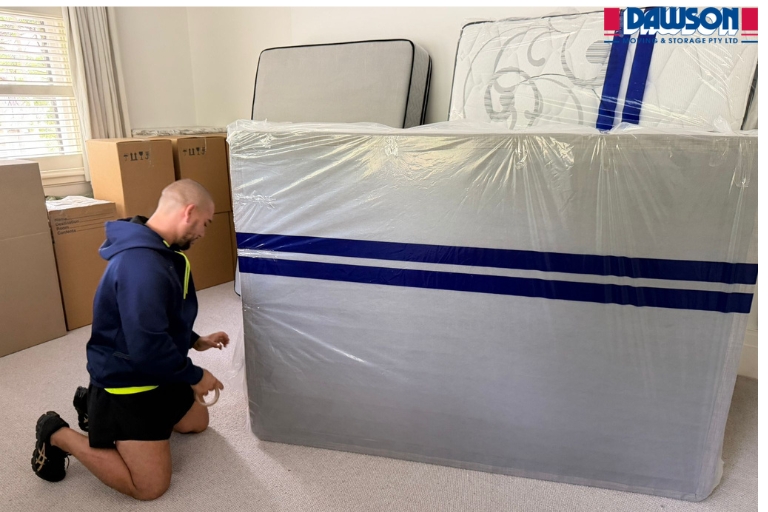
Moving house has a wonderful way of revealing just how much stuff quietly piles up in an average household over the years. Before you tape up another box of things you haven’t touched since 2019, it is worth taking a breath and asking, does this actually need to come with us?
Letting go of the redundant things before you move can save you real money, real time, and a lot of unnecessary headaches.
Why Is It Important to Throw Away Unwanted Items Before a Move?
Moving unwanted stuff incurs unnecessary costs. You pay to have them packed, you pay to have them transported, and then you unpack them into a new home where they take up unnecessary space that you may actually need to keep important things.
Most removalists Melbourne homeowners work with will charge based on the volume and weight of your load, so every unnecessary item you let go before the move can translate into money back in your pocket.
But it’s not just about the dollars. Moving house – irrespective of whether you are heading across town or going interstate – is already a big enough undertaking without dragging along things that you no longer need or do not have any sentimental value attached to.
There is something genuinely liberating about walking into a new home knowing that everything in it has earned its place. Think of the declutter as the first gift you give yourself in your new chapter.
Which Household Items Are Best Donated Instead of Discarded?
Before anything goes into a bin bag, ask whether it could be useful to someone else. Donating is almost always the kinder option for items that still have life in them. The things that tend to fly out of op shops and community centres include:
● Books, DVDs, puzzles, and board games the kids have long outgrown
● Spare sheets, towels, and pillowcases in decent condition
● Small appliances that still work: kettles, toasters, rice cookers, etc.
● Homewares, vases, picture frames, and decorative pieces
● Toys and children’s gear that your little ones have moved past
Your local community centres would likely be grateful for quality donations, and many of them will arrange a pick-up if you call ahead. Your neighbours might even be interested; a quick post in your local Facebook group can find a new home for things you like to donate before relocating, faster than you would think.
Which Clothes Should You Get Rid of Before Moving?
A relocation is often the right opportunity to get rid of the part of your wardrobe which you no longer need. While moving house, Melbourne residents, or rather residents in any part of the world, should do the following things.
Go through your wardrobe and ask – Have I worn this in the last year? Does it fit the way I would want it to? If the answer to these questions is negative, you shouldn’t take that piece of clothing to your new place, unless of course it has deep sentimental value attached to it.
Be particularly ready to let go of:
● Clothes that are faded, pilling, or damaged beyond repair
● Items that are not fitting you for a while and probably won’t
● Shoes that are worn through or have never been comfortable
Clothes in good condition can go to op shops or a clothing swap with friends. Textiles that are past the donation stage can be dropped in fabric recycling bins rather than sending them straight to landfill.
Should You Move Old Furniture or Donate?
Furniture is one of the biggest cost drivers in any move – it is heavy, bulky, and it takes up a huge amount of space on the truck. While moving house, Melbourne residents should therefore be very careful of what piece of furniture to take with them to their new home.
Before you commit to moving that old bookshelf or the sofa you have been meaning to replace for the past two summers, have a deep thought about whether it is worth bringing along to your new home.
Damaged, wobbly furniture or furniture showing its age in ways that can’t be fixed should generally be discarded, while furniture not suiting the layout or feel of your new place and furniture you have been planning to replace for long should generally be donated before moving ahead.
A piece that feels tired to you might be exactly what a neighbour or a first-home buyer is looking for. And with the savings on moving costs, you might be able to invest in something you actually love for the new place.
Which Kitchen Items Should Be Discarded Before Relocating?
Kitchens are often the most cluttered rooms in most homes. Drawers fill up with forgotten gadgets, cupboards stack up with duplicates, and the pantry quietly accumulates things well past their use-by dates. Packing up is the ideal time to make honest decisions about your redundant kitchen items.
Good candidates for the bin or the donation box include:
● Pantry staples, spices, and condiments that have expired
● Chipped, cracked, or mismatched crockery and glassware
● Appliances you genuinely never use, such as the waffle maker, the pie press, the antique bread machine, etc.
● Excess cookware such as four frying pans
● Plastic containers without matching lids or lids without containers
● Blunt knives that are well past sharpening
Still-working kitchen appliances and good-condition cookware are usually welcomed at op shops. Everything else, especially expired food, should be composted or disposed of responsibly before packing day arrives.
Deciding What to Keep, Donate or Throw Away
Asking yourself some sharp questions and giving honest answers could help you decide what to keep, donate, or discard before the relocation. They are:
● Have I actually used this in the last twelve months? If not, it is probably surplus.
● Would I go out and buy this again today? If the answer is no, it doesn’t deserve packing space.
● Does it work, fit, or do what it is supposed to? If not, it should be better donated or discarded.
If an item is still useful but not right for you, donate it. Suppose it’s broken, stained, or genuinely past its lifespan, bin it. And if you truly use and love it – wrap it carefully and bring it along.
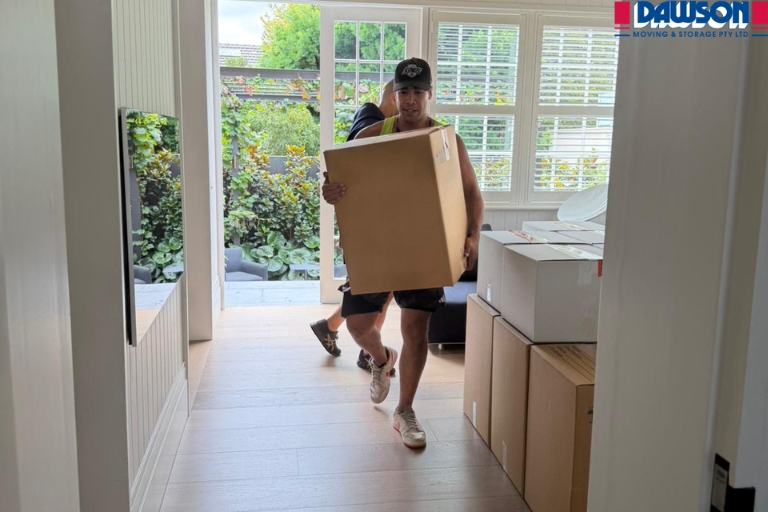
The removalists Melbourne families trust most will often tell you the same thing: the smoothest moves belong to the people who have sorted their homes before packing day. A lighter load means faster loading, less chance of damage in transit, and a much more enjoyable unpack at the other end.
However, there are some items in a home that may not be useful or be in the right condition, but they may have strong sentimental value attached to them (like your grandfather’s clock). Such items are an exception and should not fall in the above-mentioned categories.
What Documents Should Be Shredded Before Moving?
Paperwork is easy to overlook when you are in full packing mode, but old documents can be both a security risk and a source of unnecessary clutter. Before moving house, people should set aside a bit of time to go through filing cabinets, desk drawers, and the random folders that accumulate in homes.
Things that are worth shredding before you move include:
● Bank statements older than seven years
● Old tax returns beyond the required retention period
● Utility bills from your current and previous addresses
● Outdated insurance policies that have long since lapsed
Any document carrying sensitive personal information that is no longer needed, such as account numbers, Medicare details, signatures, etc., should also be shredded before moving.
The Australian Taxation Office generally recommends keeping tax records for five years from the date you lodge your return. Anything related to property, legal matters, or significant financial transactions should be kept longer – when in doubt, check with your accountant before shredding them.
For documents you would like to hold onto but don’t need in paper form, scan them and save them in a secure cloud folder before the shredder comes out. A move can be the perfect nudge to finally go paperless in your day-to-day paperwork.
A Lighter Move is a Better Move
While moving house, Melbourne residents trust the services of Dawson Moving. The best movers we work with at Dawson Moving will tell you the same thing over and over again: the people who declutter before they move have a noticeably better experience with the relocation.
Not just because it cuts costs – though it absolutely does – but because decluttering helps people to arrive at their new home feeling ready, rather than overwhelmed.
FAQs
Which expired items should be removed before packing?
One needs to discard pantry staples that have crossed their use-by date, old medicines, expired cleaning products and out-of-date cosmetics and toiletries. Moving is the perfect occasion to audit what is actually safe or needed to keep before the truck arrives.
What electronics should you recycle instead of moving?
Some of the electronics items you need to recycle before relocation are old mobile phones, tangled charger cables, broken laptops, outdated printers, and no longer functioning DVD players, etc. It is a wise decision to drop them at an e-waste recycling point rather than paying to shift them to your new home.
How can decluttering reduce moving costs?
Decluttering can mean less number of boxes, which can lead to a smaller truck, less packing time, and lower labour hours. These can directly reduce your removalists’ quote.
What are the most commonly forgotten items to declutter?
Some of the items that one often tends to forget to declutter include junk drawers, linen cupboards, the garage, under-bed storage, half-used paint tins, duplicate kitchen gadgets, kids’ outgrown clothes, and stacks of old paperwork.
Should books be donated before a move?
Books are heavy and take much space, so it is prudent to be selective about them before a move. Ideally, keep the ones you will genuinely read, reread or have sentimental value attached to them, and donate others to op shops, libraries, school fetes, and community libraries.
Which toys and household goods can be donated?
Toys which are no longer in use but are in good condition, appliances, crockery sets, and basic furniture which the relocating family no longer needs could be donated at op shops like Vinnies, Salvos, and Brotherhood of St Laurence.
How far in advance should you start decluttering before moving?
The decluttering process should start at least six to eight weeks before the move, as this ample time can afford one to be meticulous in the process of what to select and what to donate or discard.
What items are not worth taking to a new home?
Broken, ill-fitting, worn-out or long-unused items should usually be left behind. They could include mismatched furniture that will not gel with the new space, worn-out bedding, half-empty cleaning supplies, etc.
Where can you donate unwanted belongings before moving?
Melbourne has some excellent options where one can donate belongings before relocation. They include names like Salvos, Vinnies, Brotherhood of St Laurence, and Lifeline. They all accept quality second-hand goods. Furniture can go to charities like Soft Landing or the Smith Family.


Call our Friendly Team
of Removalists on
- Melbourne | (03) 9763 0222
- Canberra | (02) 6260 1214
- Interstate | 1800 066 846
- International | 1800 066 846
Write a Comment:
INTERSTATE
REMOVALISTS
Recent Posts
CLIENT
TESTIMONIALS
-
We were very happy with the 3 guys who we had who went out of their way to may the day run as smoothly as possible. Would definitely use you guys again!
Sam & Tracey
-
Thankyou to Dawsons for making our move from Melbourne to Leeton a very smooth move. Thanks to the drivers and workers all did a fantastic job thankyou.
Faye
-
I just want to thank you for your moving of my furniture on Tuesday. The chaps were so helpful and did a great job.
Jan


No Reviews yet.